Why enterprise software feels broken — and how to fix it.
ERP systems aren't hated because they're powerful — they're hated because nobody designed them for the person doing the work. Lessons from redesigning enterprise modules people now actually use.
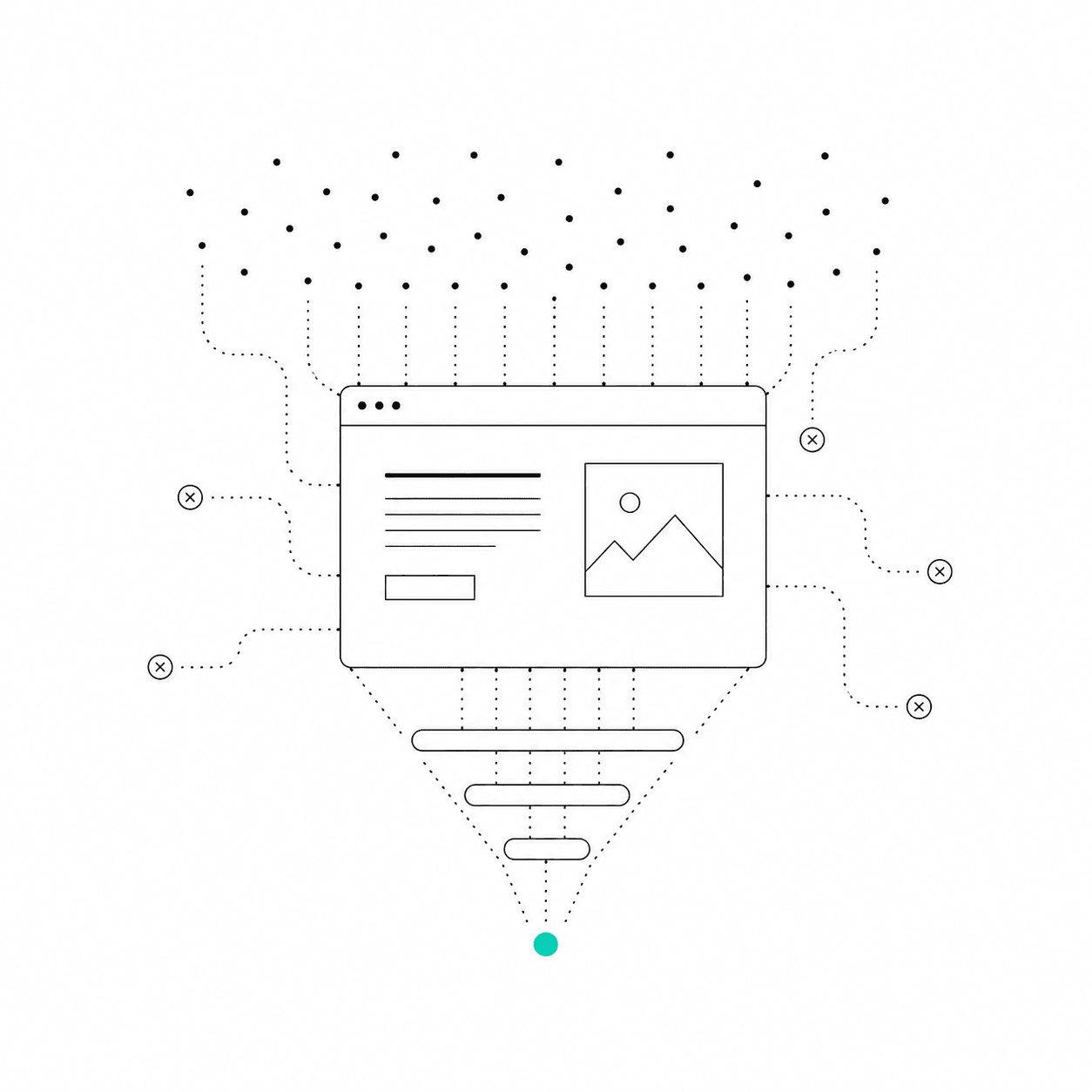
Ask anyone who uses an ERP system all day how they feel about it. The answers range from resignation to genuine anger. Yet these systems cost six or seven figures and power the world's supply chains. How is the most expensive software in a company also the most hated? Because it was bought by people who will never use it, and designed for the buyer.
The procurement gap
Enterprise software is sold on feature matrices and compliance checklists. The person comparing vendors evaluates whether the system can do procurement, inventory, and reporting. Nobody evaluates how many clicks the warehouse clerk needs to receive a delivery — the clerk wasn't in the meeting. The result is software that passes every requirement and fails every user.
What "broken" actually means
When we redesigned key modules of an enterprise ERP — procurement, inventory, reporting — the problems were never missing capability. The system could do everything. The problems were always the same handful of usability failures:
- Screens organised around the database schema instead of the task.
- Twelve fields visible when the workflow needs three.
- No indication of what happens next, or whether the last action worked.
- Error messages written for the vendor's support staff, not the user.
- The 90% case buried under configuration built for the 10% case.
Each failure looks small. Multiplied across every employee, every transaction, every day, they become an enormous invisible tax — paid in overtime, workarounds, shadow spreadsheets, and data quality problems that surface months later as bad decisions.
The fix is rarely "replace the ERP"
Full ERP replacements are multi-year, budget-devouring projects that frequently reproduce the old problems in new colours. The approach we take is narrower and dramatically cheaper: keep the backend, redesign the experience. The data models and business logic underneath are usually sound — it's the interface layer that's hostile. A modern UI built on top of the existing system, module by module, starting with the workflows people touch most.
How to know a redesign worked
Not with satisfaction surveys — with time. Measure how long the ten most common tasks take before and after. In our ERP work, average task completion time fell significantly — and the untracked wins were bigger: fewer input errors reaching the database, faster onboarding for new staff, and shadow spreadsheets quietly disappearing because the system became the easier path.
People don't hate powerful software. They hate software that makes them feel stupid while they're trying to work.
If your team has built a folklore of workarounds for the system you're paying a fortune for, the software isn't done — and finishing it doesn't require replacing it.